Embarking on a bathroom renovation requires careful planning and consideration. The first step in this transformative journey is to assess your current bathroom’s layout, functionality, and aesthetic appeal. Take a moment to evaluate what works well and what doesn’t.
Are there issues with storage, lighting, or plumbing? Perhaps the layout feels cramped or outdated. Documenting these observations will provide a clear foundation for your renovation goals.
Additionally, consider how the bathroom fits into the overall flow of your home. A well-planned bathroom should not only serve its purpose but also complement the surrounding spaces. Once you have a clear understanding of your needs, it’s time to set specific objectives for the renovation.
Are you looking to create a spa-like retreat, increase the home’s value, or simply update the fixtures? Establishing these goals will guide your decisions throughout the process. It’s also essential to consider the timeline for your renovation.
Depending on the scope of work, a bathroom remodel can take anywhere from a few weeks to several months. Having a realistic timeline will help manage expectations and ensure that you remain on track throughout the project.
Key Takeaways
- Plan your bathroom renovation carefully to ensure that all aspects are considered and accounted for.
- Choose a design and style that suits your personal preferences and complements the overall aesthetic of your home.
- Select high-quality materials and fixtures to ensure durability and longevity in your renovated bathroom.
- Maximize space and functionality by carefully considering the layout and storage options in your bathroom.
- Incorporate luxurious features and upgrades to add a touch of elegance and comfort to your renovated bathroom.
Choosing the Right Design and Style
The design and style of your bathroom play a crucial role in creating an inviting atmosphere. When selecting a design, consider the overall aesthetic of your home. A cohesive look throughout your living spaces enhances the flow and harmony of your property.
Popular styles include modern, traditional, farmhouse, and minimalist, each offering unique characteristics that can influence your choices. For instance, a modern bathroom often features sleek lines, bold colors, and innovative materials, while a traditional space may incorporate classic fixtures, intricate tile work, and warm tones. In addition to style, think about the color palette that resonates with you.
Light colors can make a small bathroom feel more spacious, while darker hues can create a cozy and intimate environment. Incorporating textures through tiles, cabinetry, and accessories can also add depth and interest to the design. Don’t hesitate to explore various design inspirations online or in magazines; creating a mood board can help visualize how different elements will come together in your space.
Ultimately, the goal is to create a bathroom that reflects your personal taste while remaining functional and comfortable.
Selecting High-Quality Materials and Fixtures
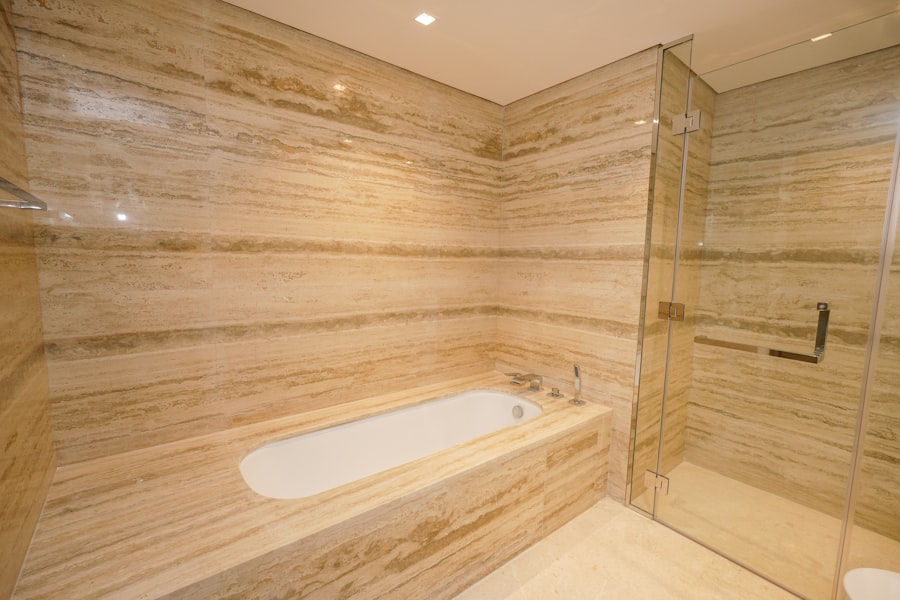
The materials and fixtures you choose for your bathroom renovation significantly impact both aesthetics and durability. Investing in high-quality materials can enhance the longevity of your renovation and reduce the need for future repairs. For example, opting for porcelain or ceramic tiles over cheaper alternatives can provide better resistance to moisture and wear.
When selecting countertops, consider materials like quartz or granite that offer both beauty and resilience against stains and scratches. Fixtures are another critical component of your renovation. From faucets to showerheads, the quality of these elements can greatly affect your bathroom’s functionality and style.
Look for fixtures that not only match your design aesthetic but also offer water-saving features to promote sustainability. Brands like Kohler and Moen provide a range of stylish options that combine form and function effectively. Additionally, consider the finish of your fixtures; brushed nickel or matte black can add a contemporary touch, while polished chrome may evoke a more classic feel.
Maximizing Space and Functionality
| Aspect | Metric |
|---|---|
| Space Utilization | Percentage of available space used |
| Functionality | Number of functional features or elements |
| Flexibility | Number of configurable options |
| Efficiency | Time or resources saved through efficient design |
In many homes, bathrooms are among the smallest spaces, making it essential to maximize both space and functionality during renovations. Start by evaluating the layout; sometimes, reconfiguring the placement of fixtures can create a more open feel. For instance, if you have a separate tub and shower, consider combining them into a single shower-tub unit to free up floor space.
Wall-mounted vanities can also create an illusion of more space by exposing more floor area. Storage solutions are vital in ensuring that your bathroom remains organized and clutter-free. Incorporating built-in shelves or cabinets can provide ample storage without sacrificing style.
Consider using vertical space by installing tall cabinets or shelving units that draw the eye upward, making the room feel larger. Additionally, utilizing under-sink storage or adding baskets can help keep everyday items neatly tucked away while remaining easily accessible.
Incorporating Luxurious Features and Upgrades
To elevate your bathroom renovation from ordinary to extraordinary, consider incorporating luxurious features that enhance comfort and relaxation. A freestanding soaking tub can serve as a stunning focal point while providing a serene escape after a long day. If space allows, consider adding a separate shower with multiple showerheads or body sprays for an indulgent experience reminiscent of a high-end spa.
Heated flooring is another luxurious upgrade that can transform your bathroom into a cozy retreat during colder months. This feature not only adds comfort but also increases the overall value of your home. Additionally, smart technology has made its way into bathrooms; consider installing smart mirrors with built-in lighting or Bluetooth speakers for an enhanced experience.
These upgrades not only provide convenience but also contribute to a modern aesthetic that many homeowners desire.
Hiring a Professional Contractor
While some homeowners may be tempted to tackle their bathroom renovation as a DIY project, hiring a professional contractor can save time, stress, and potential costly mistakes. A skilled contractor brings expertise in managing timelines, coordinating subcontractors, and ensuring that all work complies with local building codes. They can also provide valuable insights into design choices and material selections based on their experience with similar projects.
When selecting a contractor, it’s essential to conduct thorough research. Look for licensed professionals with positive reviews and a portfolio showcasing their previous work. Requesting references from past clients can provide insight into their reliability and quality of work.
Once you’ve narrowed down your options, schedule consultations to discuss your vision and gauge their understanding of your project’s scope. A good contractor will listen attentively to your ideas while offering suggestions that align with your goals.
Setting a Realistic Budget
Establishing a realistic budget is one of the most critical aspects of any renovation project. Begin by determining how much you are willing to spend on the entire project while considering potential contingencies for unexpected expenses that may arise during construction. A common guideline is to allocate 10-20% of your total budget for unforeseen costs; this cushion can help mitigate financial stress if issues arise.
Break down your budget into categories such as materials, labor, fixtures, and permits to gain clarity on where funds will be allocated. Researching average costs for each category in your area can provide valuable benchmarks for setting realistic expectations. Additionally, prioritize which elements are most important to you; if luxury fixtures are non-negotiable but you’re willing to compromise on tile choices, adjust your budget accordingly to reflect these priorities.
Adding Personal Touches and Finishing Details
The final stage of your bathroom renovation involves adding personal touches that reflect your style and make the space uniquely yours. Accessories such as artwork, decorative towels, and plants can infuse personality into an otherwise sterile environment. Consider incorporating elements that resonate with you—whether it’s a vintage mirror that adds character or modern art that sparks joy.
Finishing details such as lighting fixtures play an essential role in setting the mood of your bathroom. Layered lighting—combining ambient lighting with task lighting—can create an inviting atmosphere while ensuring functionality during daily routines. Don’t overlook hardware choices; cabinet knobs and drawer pulls can significantly impact the overall aesthetic of your space.
By thoughtfully selecting these final elements, you can create a cohesive look that ties together all aspects of your renovation while showcasing your personal style.