When embarking on a bathroom renovation, it is crucial to first grasp the full scope of the project. This involves not only identifying the specific changes you wish to make but also understanding how those changes will impact the overall functionality and aesthetics of the space. A bathroom renovation can range from a simple cosmetic update, such as changing fixtures and repainting, to a complete overhaul that includes reconfiguring the layout, replacing plumbing, and upgrading electrical systems.
Each of these options carries different implications for time, cost, and complexity. To effectively define the scope, homeowners should start by assessing their current bathroom layout and identifying pain points. For instance, is there insufficient storage?
Is the lighting inadequate? Are the fixtures outdated? By pinpointing these issues, homeowners can prioritize their renovation goals.
Additionally, it is essential to consider the size of the bathroom and how it fits into the overall design of the home. A well-planned renovation not only enhances the bathroom’s functionality but also contributes to the property’s value, making it a worthwhile investment.
Key Takeaways
- Understanding the scope of the project is crucial for a successful bathroom renovation
- Factors such as materials, labor, and design choices can significantly influence the cost of a bathroom renovation
- Average cost breakdown for different renovation elements includes fixtures, tiling, plumbing, and labor
- Hidden costs to consider may include structural issues, permit fees, and unexpected complications
- Ways to save money on a bathroom renovation include reusing existing fixtures, doing some of the work yourself, and shopping for deals on materials
- Hiring a professional vs. DIY depends on the complexity of the project and your skill level
- Tips for budgeting and financing a bathroom renovation include setting a realistic budget, getting multiple quotes, and exploring financing options
- Final considerations and next steps involve finalizing the design, hiring contractors, and preparing for the renovation process

Factors that influence the cost of a bathroom renovation
Several factors play a significant role in determining the cost of a bathroom renovation. One of the most influential elements is the choice of materials. High-end materials such as marble countertops or custom cabinetry can dramatically increase costs compared to more budget-friendly options like laminate or vinyl.
The quality and durability of materials should be weighed against their cost, as investing in higher-quality items may lead to long-term savings through reduced maintenance and replacement needs. Labor costs are another critical factor that can vary widely based on location, project complexity, and contractor expertise. In urban areas, labor rates tend to be higher due to increased demand and living costs.
Additionally, if the renovation involves complex plumbing or electrical work, hiring skilled professionals becomes essential, further driving up labor expenses. Homeowners should also consider whether they will need permits for their renovation, as these can add to both time and cost. Understanding these factors allows homeowners to make informed decisions that align with their budget while still achieving their desired outcomes.
Average cost breakdown for different renovation elements
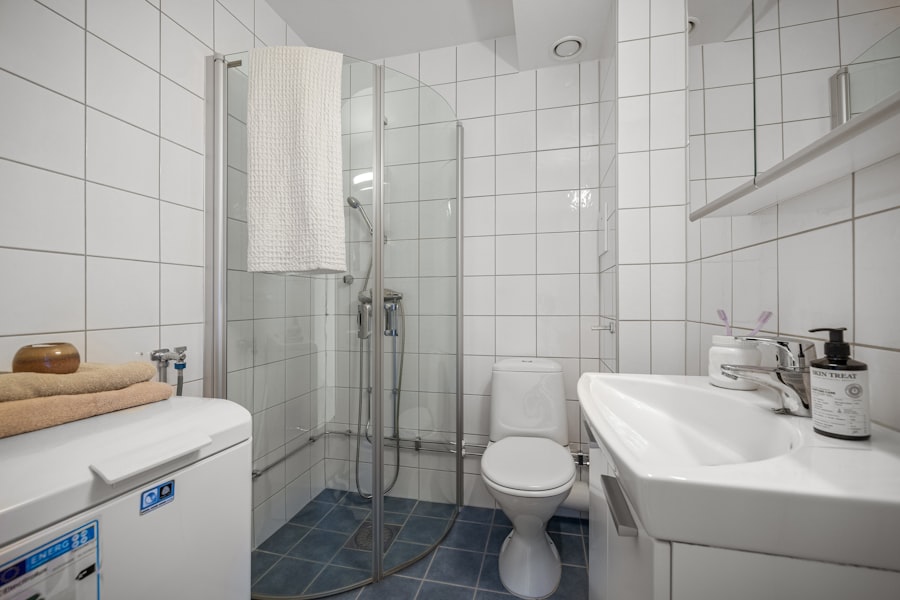
When planning a bathroom renovation, it is helpful to have a clear understanding of how costs are typically distributed across various elements of the project. On average, homeowners can expect to allocate funds as follows: approximately 25-30% for labor, 20-25% for fixtures and fittings, 15-20% for materials such as tiles and countertops, and 10-15% for plumbing and electrical work. The remaining budget may cover additional expenses like permits or unexpected repairs.
For example, if a homeowner is working with a budget of $10,000 for a mid-range bathroom renovation, they might spend around $2,500 to $3,000 on labor costs alone. Fixtures such as sinks, toilets, and bathtubs could account for another $2,000 to $2,500. Materials like tiles and countertops might take up about $1,500 to $2,000 of the budget.
This breakdown provides a framework for homeowners to allocate their funds effectively while ensuring that each aspect of the renovation receives adequate attention.
Hidden costs to consider
| Hidden Costs to Consider | Impact |
|---|---|
| Training and Onboarding | Increased initial investment |
| Maintenance and Support | Ongoing expenses |
| Integration and Customization | Additional development costs |
| Upgrades and Updates | Regular expenses for staying current |
While planning a bathroom renovation, it is essential to be aware of hidden costs that can arise unexpectedly. One common hidden expense is related to structural issues that may not be visible until work begins. For instance, water damage behind walls or under flooring can necessitate additional repairs that were not initially accounted for in the budget.
Homeowners should consider conducting a thorough inspection before starting renovations to identify potential problems early on. Another often-overlooked cost is that of design services. While some homeowners may feel confident in their ability to design their new space, hiring a professional designer can provide valuable insights and help avoid costly mistakes.
Design fees can vary widely but typically range from 5% to 15% of the total renovation budget. Additionally, homeowners should factor in costs associated with temporary living arrangements if the bathroom will be out of commission for an extended period. These hidden costs can add up quickly and should be included in any comprehensive renovation budget.
Ways to save money on a bathroom renovation
There are several strategies homeowners can employ to save money during a bathroom renovation without sacrificing quality or aesthetics. One effective approach is to focus on cosmetic updates rather than structural changes. For example, instead of relocating plumbing fixtures, consider refinishing existing cabinets or updating hardware for a fresh look at a fraction of the cost.
Painting walls or adding new lighting fixtures can also significantly enhance the space without requiring extensive renovations. Another way to cut costs is by shopping smartly for materials and fixtures. Homeowners can explore local salvage yards or online marketplaces for gently used items that can be refurbished or repurposed.
Additionally, purchasing materials in bulk or during sales can lead to substantial savings. Engaging in DIY projects for smaller tasks—such as painting or installing accessories—can also help reduce labor costs while allowing homeowners to personalize their space.
Deciding whether to hire a professional or tackle a bathroom renovation as a DIY project is a significant consideration that can impact both cost and outcome. Hiring professionals brings expertise and experience that can ensure high-quality workmanship and adherence to local building codes. Skilled contractors can also navigate potential challenges more effectively than an inexperienced homeowner might be able to do alone.
However, this expertise comes at a price; labor costs can account for a substantial portion of the overall budget. On the other hand, DIY renovations can offer significant savings if homeowners possess the necessary skills and knowledge. Simple tasks like painting or installing new fixtures may be manageable for those with some experience in home improvement projects.
However, more complex tasks—such as plumbing or electrical work—should generally be left to professionals due to safety concerns and potential legal ramifications associated with improper installations. Ultimately, homeowners must weigh their comfort level with various tasks against their budget constraints when deciding between hiring professionals or taking on DIY projects.
Tips for budgeting and financing a bathroom renovation
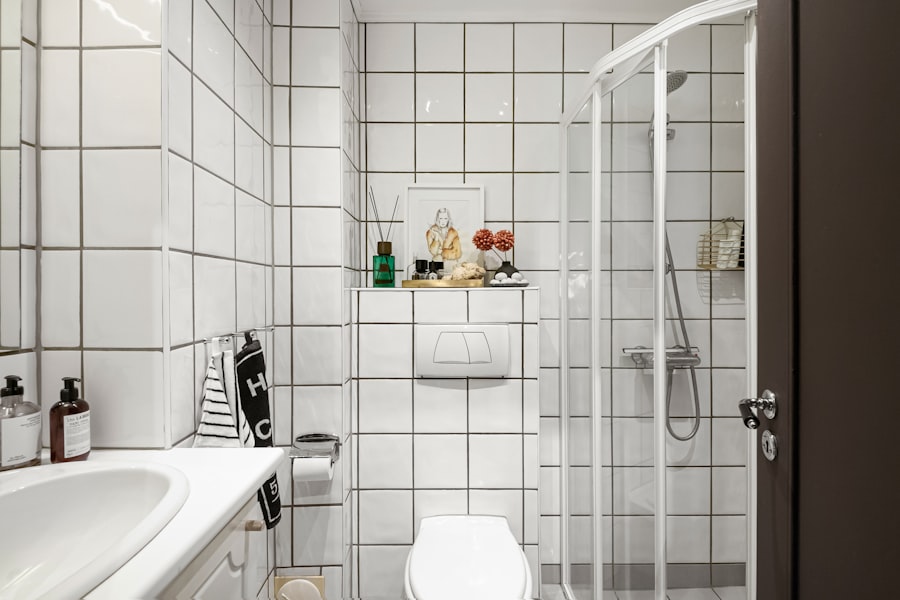
Creating an effective budget for a bathroom renovation requires careful planning and consideration of all potential expenses. Homeowners should start by establishing a realistic overall budget based on their financial situation and desired outcomes. It is advisable to include a contingency fund—typically around 10-20% of the total budget—to account for unexpected expenses that may arise during the renovation process.
In terms of financing options, homeowners have several avenues available to them. Personal loans or home equity lines of credit (HELOCs) are popular choices for funding renovations, as they often offer lower interest rates compared to credit cards. Additionally, some homeowners may consider refinancing their mortgage to access cash for renovations; however, this option requires careful consideration of long-term financial implications.
Exploring grants or low-interest loans offered by local governments for energy-efficient upgrades can also provide financial relief while enhancing the bathroom’s sustainability.
Final considerations and next steps
As homeowners prepare to embark on their bathroom renovation journey, several final considerations should guide their decision-making process. First and foremost is ensuring that all necessary permits are obtained before commencing work; failing to do so can result in fines or complications down the line. Additionally, establishing a clear timeline for the project helps manage expectations regarding completion dates and minimizes disruptions in daily life.
Once these foundational elements are in place, homeowners should communicate openly with contractors or team members about their vision and any concerns that arise during the process. Regular check-ins can help ensure that the project stays on track and aligns with initial goals. Finally, documenting each step of the renovation not only provides valuable insights for future projects but also serves as a record of improvements made—an important factor when considering resale value down the line.
By taking these steps thoughtfully and strategically, homeowners can navigate their bathroom renovation with confidence and achieve results that enhance both functionality and enjoyment in their homes.